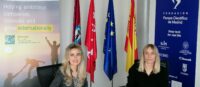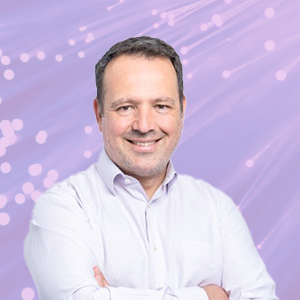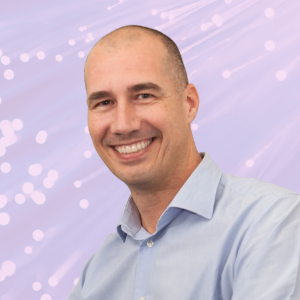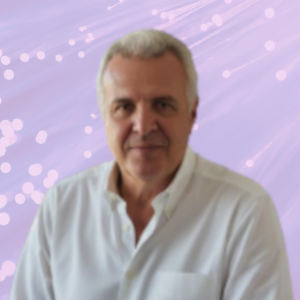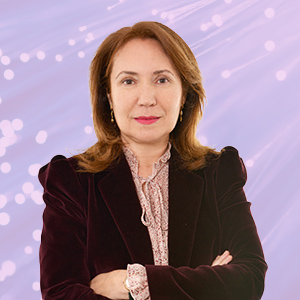


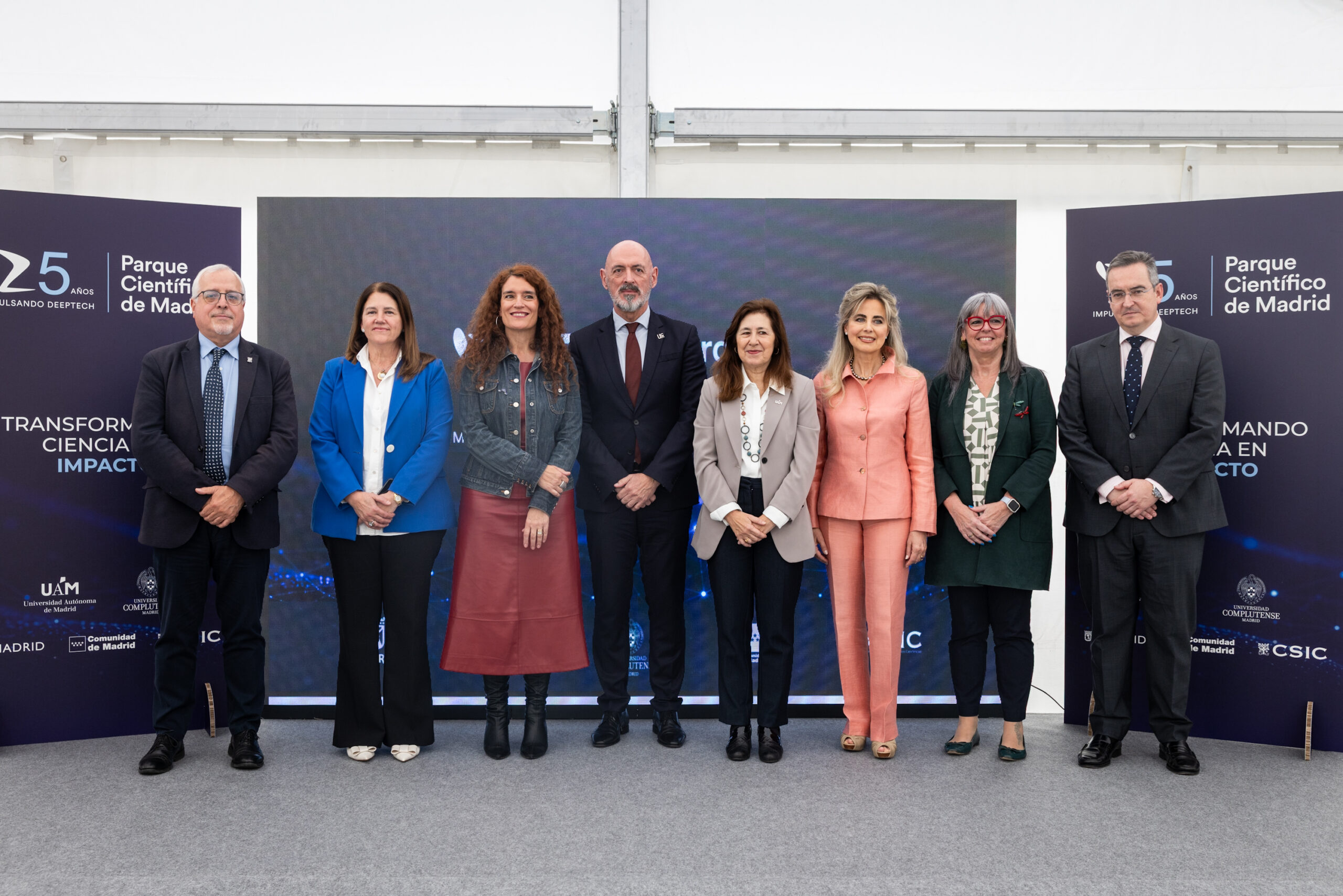

Madrid Science Park (PCM) celebrated its 25th anniversary, during which it has incubated 375 science- and technology-based companies. The official ceremony, held at its headquarters on the Cantoblanco campus, was attended by representatives of all its governing bodies: the Complutense University of Madrid (UCM) and the Autonomous University of Madrid (UAM), the Spanish National Research Council (CSIC), the Community of Madrid, and the Madrid City Council, along with state, regional, and local authorities.
PCM: 25 years promoting innovation
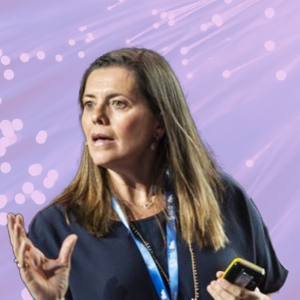
During the event, its general director, Marta del Castillo Vázquez, highlighted the organization’s history and emphasized its current achievements. Currently, the PCM is home to 95 deep tech companies, which generated €147 million in revenue in 2025 and created 1,000 highly skilled jobs. Furthermore, the PCM’s ecosystem has demonstrated a strong ability to attract investment. In the last three years alone, companies linked to the Park have closed investment rounds totaling over 60 million euros. With this, the PCM has established itself as the largest science park in the Community of Madrid and one of the country’s leading knowledge transfer ecosystems.
“Science connected to the market is the future, and it’s being built right here,” Del Castillo stated. The director of the PCM also highlighted the “privilege” of being able to incubate and support spin-offs from universities and public research centers as well as from the private sector. Del Castillo also noted that her organization houses the laboratories of the region’s largest technology center, Funditec, and collaborates with one of Europe’s largest, Eurecat.
Institutional support
The rector of the UCM, Joaquín Goyache, current president of the PCM, emphasized the link with academia: “If there is talent anywhere, it is in the universities, and the Madrid Science Park provides the space where those ideas are developed, validated, and applied. After this silver anniversary, the PCM has become an essential structure for science and innovation in Madrid.” For her part, Amaya Mendikoetxea, rector of the UAM and vice president of the Park, expressed her “absolute conviction in supporting the work of the PCM as an essential instrument of transfer and innovation, a fundamental and increasingly important mission of the university.”
Ministry’s Secretary General for Research, Eva Ortega, emphasized that “the PCM is an example of the essential role played by collaboration among universities, researchers, institutions, and the innovation ecosystem in driving the advancement of science and technology. The spaces, services, and opportunities it has provided over the past 25 years have helped turn knowledge into real impact for society.”
The Deputy Minister for Universities, Research, and Science of the Community of Madrid, Mirina Cortés, also expressed her support for the organization. Likewise, Óscar Romera, General Coordinator of Economy, Trade, and Consumer Affairs for the Madrid City Council, emphasized that the City Council “supports organizations such as the Madrid Science Park so that the scientific and technological community can expand and thrive in the market,” he stated.
From the PCM to the stock market
The event also highlighted the success stories of companies launched from the Science Park that now operate on an international scale, covering more than 50 countries across all continents. One of the most notable examples is Natac, a company founded in 2010 at the PCM that researches and develops plant extracts and omega-3 oils for the pharmaceutical, food, and cosmetics industries. Today, Natac has annual revenue of 48 million euros and is listed on the BME Growth exchange, where it led the second-largest capital expansion in the history of that stock market. Additionally, the company has a presence in 48 countries, with sales offices in the U.S. and Singapore, and exports 90% of its production.
“The R&D&I ecosystem behind the Park is what gives international potential clients confidence when we reach out to them,” said Antonio Romero, CEO of Natac. Cases like this reflect the ecosystem’s ability to support technologies from early stages through to global markets, demonstrating that science developed in Madrid can compete internationally.
Innovative Entrepreneurship in the Service of Society
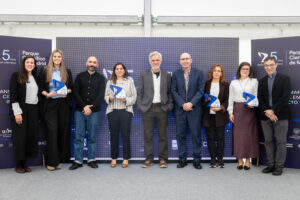
During the event, four awards were presented for innovative entrepreneurship. The startup category went to Empirical Advances, a company that develops advanced carbon materials for energy storage from agri-food waste, contributing to a more sustainable and resilient economy. In the business-science collaboration category, the award went to Evoenzyme, a spin-off of the CSIC’s Institute of Catalysis, which develops green, sustainable, and profitable industrial processes by creating “custom” enzymes.
The award for international reach went to IOT, a leader in optical innovation founded in 2005 as a spin-off of the UCM, which today produces 35 million ophthalmic lenses and operates in 70 countries. Finally, the Most Promising Startup category went to Lifesomix, a spin-off from the UAM that develops cutting-edge therapies for metabolic or non-alcoholic fatty liver disease.
The awards presented were created by the company Ayúdame3D, incubated at La Nave by the Madrid City Council, which manufactures prosthetics using 3D printing for free distribution in developing countries. This spirit of innovation and social responsibility is what characterizes the Madrid Science Park, as highlighted by the various speakers during their remarks.
A Challenge for the Next 25 Years
The event also highlighted the role of science parks in the new European technological landscape, characterized by the growth of deep tech, technological sovereignty, and the need to accelerate the transfer of knowledge to the market. Following the recent presentation of the Deep Tech Spain Strategy by the Ministry of Science, Innovation, and Universities and the 7th Regional Plan for Scientific Research and Technological Innovation of the Community of Madrid, Del Castillo reaffirmed the PCM’s commitment to fostering scientific startups capable of scaling globally from Madrid, connecting research, talent, industry, and investment. “The challenge is no longer just to generate knowledge; the challenge is to turn it into impact,” he noted.